The building returns toward normal.
EventMoisture responseReturn toward normal

Sensor data, sophisticated machine learning and the AI-powered KyoSensa Insight Engine work together to learn how each building behaves. When conditions begin to differ from what is expected, KyoSensa helps teams identify unusual change earlier and focus investigation where it matters.
BUILT FOR
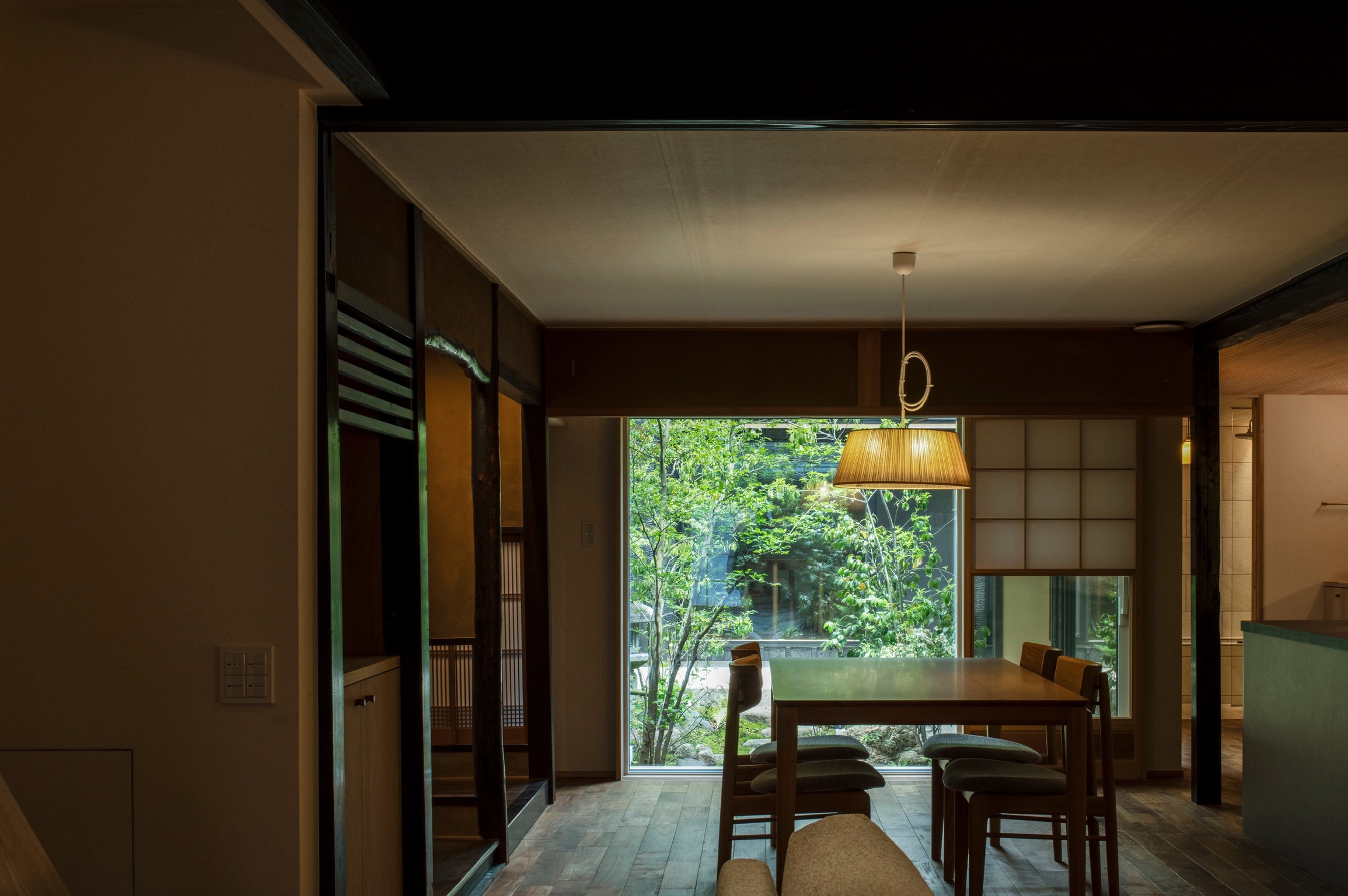
Inspections remain essential. They show the condition of a building on the day someone visits. What happens between visits, through a wet season, after a storm or behind a finished surface, is where hidden moisture develops.
Continuous monitoring fills that gap. It supports condition-based maintenance, so attention goes where conditions call for it and each inspection starts from a history rather than a guess. KyoSensa does not replace inspection. It strengthens the evidence behind it and helps identify emerging problems before they develop into costly damage.
How managed monitoring worksTwo buildings can face the same rain, humidity and temperature and respond very differently. Building Fingerprint is KyoSensa’s record of how an individual building normally behaves: its usual moisture levels, how it responds to the weather, how it recovers and how its monitored areas relate to one another. It sits at the centre of the KyoSensa Insight Engine.
Thresholds identify important changes. The Building Fingerprint adds context, helping KyoSensa understand whether behaviour differs from what is expected for that building.
KyoSensa monitors continuously, but only brings something to your attention when the evidence says it matters. A single unusual reading is rarely enough on its own. KyoSensa considers whether the change persists, what is happening elsewhere in the building, the surrounding conditions and how the building is recovering.
How Building Fingerprint worksA Building Fingerprint that keeps learning.
Once a building’s Fingerprint is established, new readings are also compared with what KyoSensa has learned about it, alongside the monitored thresholds. The Insight Engine predicts how the building should respond, then validates those expectations against what actually happens. Where conditions fall outside what the Fingerprint has learned, KyoSensa says so rather than guessing, and the thresholds still apply. Recovery Modelling follows how areas dry after rain, while each validated or rejected prediction becomes new evidence. As conditions change and more data accumulates, the Building Fingerprint is re-evaluated and refined, improving the precision of KyoSensa's understanding over time.
How the KyoSensa Insight Engine worksAt our pilot machiya in Kyoto, monitoring showed elevated moisture in concealed subfloor timber while the kitchen directly above read normally. A visual inspection would not have revealed it. The measurements gave investigation a clear, located starting point, and because KyoSensa keeps measuring the area, the effect of any maintenance shows in the readings rather than being assumed.
Read the pilot studyAlert at detection
These readings gave investigation a clear starting point.
Within normal parameters
The kitchen stayed within normal parameters throughout this period, while the subfloor beneath it read high.
Pilot readings · 3 July–9 August 2026. Ranges describe this example; they are not universal safety thresholds.
Subfloor timber held around 23–24% WMC while the kitchen directly above stayed around 13–14%.
Sensor measurementThe difference was sustained and concentrated in the concealed subfloor, a space routine visual checks do not cover.
KyoSensa analysisThe evidence narrowed the investigation to the subfloor, the area where the readings stood apart.
Human investigationKyoSensa keeps measuring the area, so later changes, and the effect of any maintenance, show in the readings.
Sensor measurementKyoSensa reads each monitoring point alongside the structure and area it belongs to. When one area changes while its neighbours stay steady, a local cause is more likely. When every area moves together, a shared cause such as the weather is more likely.
That distinction helps narrow the investigation, so an inspection can begin where the evidence points rather than across the whole building.
A rise in moisture after heavy rain is not necessarily a problem. What matters is what happens next: whether the building returns toward its usual level, how long that takes and whether the recovery looks like earlier ones.
The same evidence matters after a repair. KyoSensa provides evidence about whether the building is recovering as expected after the repair. It does not certify the workmanship; it shows whether the conditions that prompted the work are settling, and it keeps watching afterwards.
DETECTINVESTIGATEREPAIRVERIFYKEEP WATCHING
Japan Meteorological Agency data shows that one-hour rainfall events of 50 mm or more occurred about 1.5 times as often in 2016–2025 as they did in 1976–1985.
| Year | Occurrences |
|---|---|
| 1976 | 286 |
| 1977 | 220 |
| 1978 | 189 |
| 1979 | 293 |
| 1980 | 203 |
| 1981 | 182 |
| 1982 | 299 |
| 1983 | 241 |
| 1984 | 143 |
| 1985 | 204 |
| 1986 | 134 |
| 1987 | 245 |
| 1988 | 326 |
| 1989 | 247 |
| 1990 | 383 |
| 1991 | 203 |
| 1992 | 146 |
| 1993 | 333 |
| 1994 | 171 |
| 1995 | 206 |
| 1996 | 123 |
| 1997 | 230 |
| 1998 | 430 |
| 1999 | 357 |
| 2000 | 318 |
| 2001 | 268 |
| 2002 | 225 |
| 2003 | 236 |
| 2004 | 463 |
| 2005 | 252 |
| 2006 | 309 |
| 2007 | 252 |
| 2008 | 330 |
| 2009 | 220 |
| 2010 | 272 |
| 2011 | 358 |
| 2012 | 367 |
| 2013 | 308 |
| 2014 | 309 |
| 2015 | 269 |
| 2016 | 334 |
| 2017 | 327 |
| 2018 | 350 |
| 2019 | 377 |
| 2020 | 345 |
| 2021 | 279 |
| 2022 | 382 |
| 2023 | 326 |
| 2024 | 346 |
| 2025 | 331 |
Intense rain and typhoon winds test roofs, facades, joints, flashings and drainage, and ageing materials are often the first to give way. KyoSensa cannot stop severe weather. It can help stop hidden moisture problems from remaining hidden.
Earthquakes test a building differently. The shaking stops. Hidden problems may appear later, often with the next heavy rain. After significant shaking, KyoSensa keeps the building under closer watch and compares its response to later rain with its established behaviour. It does not diagnose damage; it shows where a focused inspection is worthwhile.
Explore post-seismic monitoringHidden water ingress can turn a targeted repair into extensive reconstruction. The earlier it is found, the smaller the repair is likely to be.
KyoSensa looks for moisture behaviour that is unusual for the individual building, including unexpected rises and recovery that takes longer than established patterns would suggest. By combining continuous timber-moisture measurements with environmental context and building-specific behaviour, KyoSensa can identify changes that may warrant investigation before visible damage develops.
Seal the entry point
Open and dry the roof; replace the membrane
Dry the building assembly; replace insulation and affected structure
Rebuild the roof, relocate occupants and address mould
Tector provides the wireless sensors that measure timber moisture, temperature and humidity, technology used on demanding construction and heritage projects. KyoSensa adds the intelligence: Building Fingerprint, environmental and spatial context, recovery analysis, forecasting research, workflow and human review.
Explore Tector sensor technologyTector describes moisture monitoring of timber during restoration, supporting careful management of a material central to the cathedral’s future.
Read the Tector case studyRambøll used moisture data to inform heating and dehumidification during renovation, helping the team manage drying and the project schedule.
Read the Tector case studyTector reports that monitoring revealed a further leak thought to have been repaired, allowing the project team to respond before it went unnoticed.
Read the Tector case studyThese are Tector’s published projects. They demonstrate applications of the sensor technology; outcomes are specific to each project. More Tector examples ↗
Tector sensors at the places that matter send their readings through a gateway. KyoSensa brings them together in the Building Fingerprint, so each point is understood in the context of the whole building.
Where the sensors sit
Different buildings face different risks. Each needs evidence before decisions are made.
Kyomachiya, temples, shrines, kominka and historic timber. Find concealed moisture while disturbing as little original fabric as possible.
Explore heritage monitoringOffices, high-rise buildings, warehouses and flat roofs, with evidence behind every maintenance decision.
Explore commercial monitoringData centres, transport assets and other demanding environments. Discuss monitoring suitability, placement and coverage for your application.
Explore infrastructureOffer building intelligence under your own brand. KyoSensa provides the technology behind it, and the customer relationship stays yours.
Give your team more than alerts. See which buildings need attention first, why a change matters, where to inspect and how recovery is progressing.
Discuss a partnershipIllustrative partner branding
No cameras. No microphones. No occupant surveillance. Discreet sensors measure the building, and people review the findings that lead to decisions.
Explore the technologyLooking after your own building?
Explore managed monitoring